
Subscribe to our newsletter
Copyright © 2026 lmitac.com All Rights Reserved. Contact - Terms and Conditions - Privacy Policy - Quality Policy - Vacancies - Sitemap
London Maritime Academy is a trade name for London Premier Group
version: 2.9.0
Subscribe to our newsletter
How to Comply with Collision Regulations: Best Practices for Mariners
Going into the middle of the ocean and the sight of the endless, vast, and limitless ocean is something very special. However, these seas will only remain friendly to sailors when collision regulations are adhered to.
In this article, we define what collision regulations are and how they prevent accidents from commonly happening all the time
COLREG, or Collision Regulations, are a body of rules adopted by the International Maritime Organisation to ensure the safety of ships and avoid accidents that may lead to a collision at sea. These regulations are formalized under the International Regulations for Preventing Collisions at Sea and are commonly known as the Rules of the Road for Mariners.
Here are some key aspects of COLREGs:
This section provides information on the scope of the regulations and definitions that have been used in the regulations. It defines in detail the sort of vessels the regulations apply to and in what conditions and how to avoid vessel operational challenges.
This is the central part of the checklist that outlines the duties of all vessels regarding collision avoidance. It includes rules on:
These rules involve the light and shapes that are required to be exhibited by the vessels to show their status and operations; such as being underway or anchored or fishing etc. Such signals assist the mariners in observing the movements of the fellow ships especially during the night or in conditions of low visibility.
Here, the rules describe the sound signals (such as horn signals) and light signals that vessels apply to convey their actions or status. These include:
This part offers some relief from the strict provisions of the regulations where necessary by permitting specific vessels to do otherwise for safety or practical consideration.
These annexes provide information on certain aspects that are not the main rules but are additional information on the technical specifications of the headlights, sound signal appliances, and other equipment and devices.
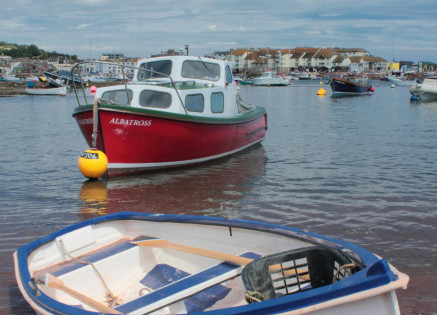
Collision regulation guides boats traveling in waters. As some of the Best maritime law courses in London will teach you, they exist for a very important reason, here's why:
To sum it up, collision regulations are vital in creating order, safety, and environmentalism for the benefit of the marine business. Consequently, by adhering to the provisions of COLREGs, mariners can stop accidents, save lives, and enhance the efficient functioning of the international marine order.


