
Subscribe to our newsletter
Copyright © 2026 lmitac.com All Rights Reserved. Contact - Terms and Conditions - Privacy Policy - Quality Policy - Vacancies - Sitemap
London Maritime Academy is a trade name for London Premier Group
version: 2.9.0
Subscribe to our newsletter
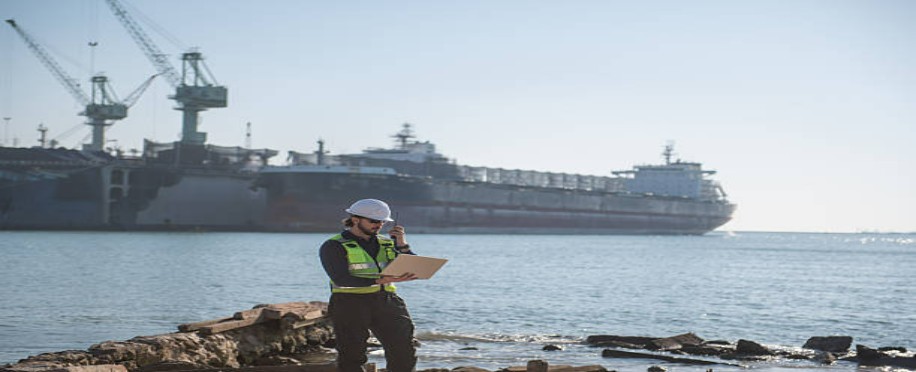
How Companies Build Maritime Training Plans (Compliance + Competence)
The maritime industry is currently experiencing a critical period. The expansion of merchant traffic, rising Maritime Compliance requirements, stricter Flag State Control regulations, and the implementation of systems such as the Safety Management System and EU ETS for Shipping are all putting pressure on maritime companies. Any shortcoming in training can lead to an accident at sea, a regulatory fine, or irreparable reputational damage.
Therefore, developing a clear and practical Maritime Training Plan (MTP) has become a strategic necessity, not merely an administrative option. This guide explains how companies can build a MTP that combines compliance and efficiency, transforming it from a simple document into a smart strategic asset in their maritime workforce, and the returns it generates in terms of operational performance, security, and professional development.
Many companies treat the MTP as an administrative file to be filed away in a library or used only during audits. However, the reality is different.
According to international maritime safety reports, more than 70–80% of maritime accidents are linked to human factors, including a lack of skills or an inadequate training program. This means that any ineffective MTP puts the ship and its crew at risk.
When you have a comprehensive and inclusive approach to Maritime Training Plans, you reduce navigational errors, maintenance incidents, and operational errors in open waters or ports.
There is a difference between preparing a Maritime Training Plan simply to meet requirements and building a Maritime Training Plan aimed at developing expertise and raising the collective capacity of the crew. The former focuses on credentials, while the latter builds real capabilities.
Any maritime incident can become international news within hours. A strong Maritime Training Plan fosters trust, supports risk management strategy, and helps companies enhance their reputation in the maritime industry.
An effective Maritime Training Plan cannot be built without a clear regulatory foundation.
Adherence to the STCW Convention establishes clear education, entry-level, and professional standards for maritime competencies. Any Maritime Training Plan must be based on these standards.
SOLAS standards impose clear requirements regarding the safety of vessels and crew, and must be integrated within the Safety Management System of the company.
The MARPOL Convention adds an environmental dimension that must be reflected in every Maritime Training Plan, especially with the introduction of policies such as the EU ETS for Shipping.
Reports issued by Flag State Control may reveal any gaps in Maritime Compliance. Therefore, the Maritime Training Plan must be aligned with national maritime administration regulations and national transportation policies.
In February of several years, new regulatory updates have been released in various countries to strengthen marine security, emphasizing that the Maritime Training Plan is not a static document but an ongoing process.

Any successful Maritime Training Plan begins with a comprehensive understanding of the required competencies.
Every mariner needs a different set of competencies depending on their role: navigation, maintenance, or operations management.
A competency map is created to analyse the company’s current performance.
The gap between requirements and reality is the starting point to develop a new Maritime Training Plan or update an existing one.
Whether the crew works on merchant ships, in the shipbuilding industry, or with the coast guard, the Maritime Training Plan should reflect the actual nature of the work.
Some companies utilize maritime courses in London as part of an external learning program within a comprehensive training program to enhance the career development of their executive staff.
After identifying gaps, a structured training program is designed as part of the Maritime Training Plan.
Analyzing past industry incidents and reviewing MSC or maritime transport authority reports helps build a realistic Maritime Training Plan.
Simulation programs, boot camps, and emergency action plan exercises enhance crew readiness.
A Maritime Training Plan combines mandatory training with advanced training in areas such as naval activities or marine engineering.
Having an internal center or academy, or collaborating with an external institute, facilitates the management of annual training plans.
On April 9, 2025, President Donald J. Trump signed an executive order entitled “Restoring America’s Maritime Dominance,” which directed the formulation of a Maritime Action Plan aimed at revitalizing the U.S. maritime workforce, expanding shipbuilding capacity, and strengthening the nation’s position in the global maritime sector.
Any training program within the Maritime Training Plan needs periodic review.
The number of incidents, audit results, and level of professional development are important indicators.
Every incident at sea should become a reference material for improving the Maritime Training Plan.
As regulations change and white-house policies or updates from national administrations emerge, the Maritime Training Plan must be updated.
The ultimate goal is to develop workforce competence and build collective excellence within the company.
In Summary
Building an effective Maritime Training Plan means protecting vessels, supporting security, enhancing careers, and raising the standard of operational excellence in the marine industry.
*If your company seeks to strengthen operations, reduce risks, and create real growth opportunities, it's time to review or develop a comprehensive Maritime Training Plan built on a clear strategy.
Start today with a practical action plan, and consider your Maritime Training Plan a long-term investment in people, capabilities, and reputation.


