The maritime industry is considered one of the largest and most impactful industries, with maritime operations that cover all operational aspects in the field.
Moreover, national and international maritime operations centres provide full and strategic support to onshore and offshore operations while ensuring mission achievement, strategic naval decision making, and performance accuracy, without allowing any type of naval deception.
In this article, we will explore the maritime operations concept, including critical naval operations, capabilities, and responsibilities of the maritime operations officer, and more.
What Are Maritime Operations?
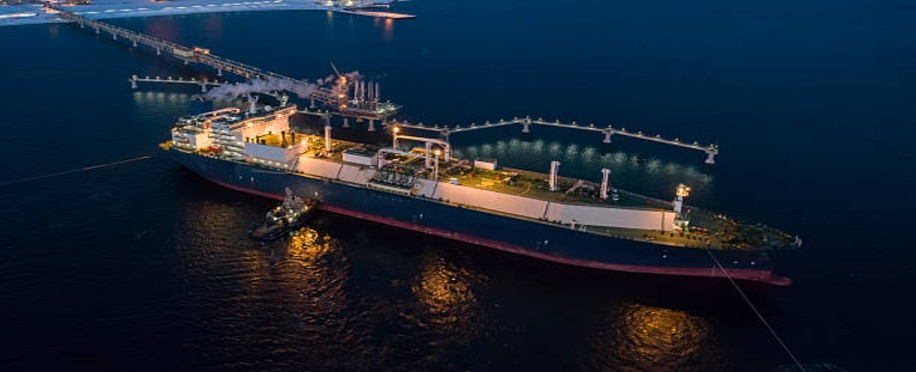
Maritime operations refer to all onshore and offshore activities implemented and followed to manage transportation and services at sea, including moving ships, boats, and cargo across oceans and waterways.
Furthermore, fishing, offshore energy, marine services, deception prevention, port operations, harbours, and naval logistics are also included in maritime operational activities. Additionally, strategic naval operations are also considered part of the maritime operations.
All these included maritime operations activities can support maritime missions, ensure safety, enhance performance efficiency, and lead to smooth movement and operations at sea.
What Maritime Operations Include?
Maritime operations courses in London will help you understand all about naval operational management to boost capabilities, protect the maritime environment, and achieve the critical mission.
Keep in mind that you can attend professional logistics, ports, and terminals training courses at any London Maritime Academy (LMA) regional offices in London, Amsterdam, Barcelona, Athens, Istanbul, Kuala Lumpur, or Singapore to gain the best training ever.
Ship and Vessel Movements:
Following critical and strategic ship movement is necessary to ensure efficiency, accuracy, and compliance with international naval laws. This includes the navigation and operation of vessels and boats across seas and waterways.
Goods Transportation:
We can say that cargo movement and transportation, including food, fuel, and raw materials across countries, is a critical mission in maritime operations, as its efficiency empowers global trade and supply chains.
Ports and Harbours Management:
Usually, port logistics strengthens the national economy, which is why this is a strategic part of maritime operations to reduce delays and boost efficiency in different port operations, including port facilities, docking, loading, and unloading of ships.

Maritime Governance and Sustainability:
This maritime operation focuses on laws, regulations, and policies that control and organise maritime activities to enhance performance, support environmental protection, and sustainable use of marine resources.
Safety, Security, and Navigation at Sea:
It is time to talk about these critical maritime activities, as their main goal is ensuring safe ship operations from naval accidents and security threats, through advanced navigation systems, monitoring, and emergency response.
Offshore Activities Supporting:
Offshore activities require direct and professional support, whether we are talking about offshore oil and gas, renewable energy, fishing, or marine research, to ensure safety, compliance, and performance even with complex challenges.
What Are the Key Responsibilities of a Maritime Operations Officer?
A maritime operations officer is the naval operational master who has the capabilities and strategic skills to keep all operations efficient and smooth.
- Answering emergency calls and providing the needed action.
- Collecting and managing operational naval data.
- Participating in developing effective incident plans.
- Directing all steps of Search and Rescue (SAR) actions.
- Collaborating and aligning work processes with different requirements.
- Sharing and updating all included responders with operational information.
- Providing necessary maritime safety information and other naval knowledge to people.
Last but not least,
Maritime operations are a critical maritime management technique to boost naval operational efficiency, stop deception, and improve outcomes even with complex challenges.
Thus, you need to master these maritime operational capabilities with professional training, accredited certificates, and advanced learning programmes.