When people hear “maritime careers,” they often think of deckhands on cargo ships, or maybe engineers in engine rooms, or captains navigating stormy seas. But here’s the truth—you don’t need to go to sea at all to build a stable, well-paid, and meaningful career in this industry.
In fact, some of the most essential roles that keep global trade moving happen entirely on land. From the busy terminals of the Port of Felixstowe and Southampton to logistics hubs in London, Glasgow, and Liverpool—and from engineering firms in Newcastle to training centres across the UK—the maritime industry relies on skilled professionals who never step onboard a vessel.
And with the UK deeply connected to global shipping, the demand for shore-based talent has never been stronger. Let's explore together some international maritime careers you can browse and get into today.
Careers That Keep the Industry Running—Without Leaving Dry Land
- Port and Harbour Operations
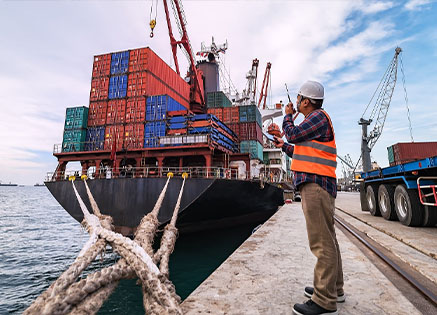
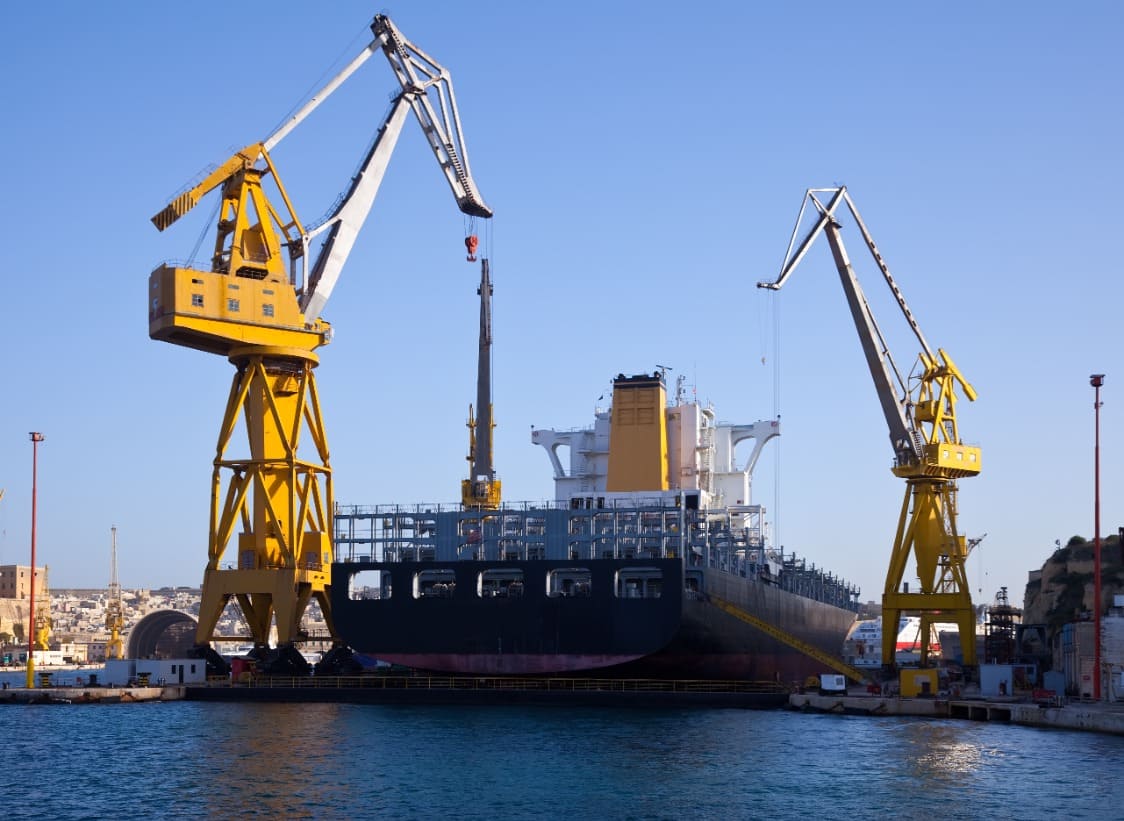
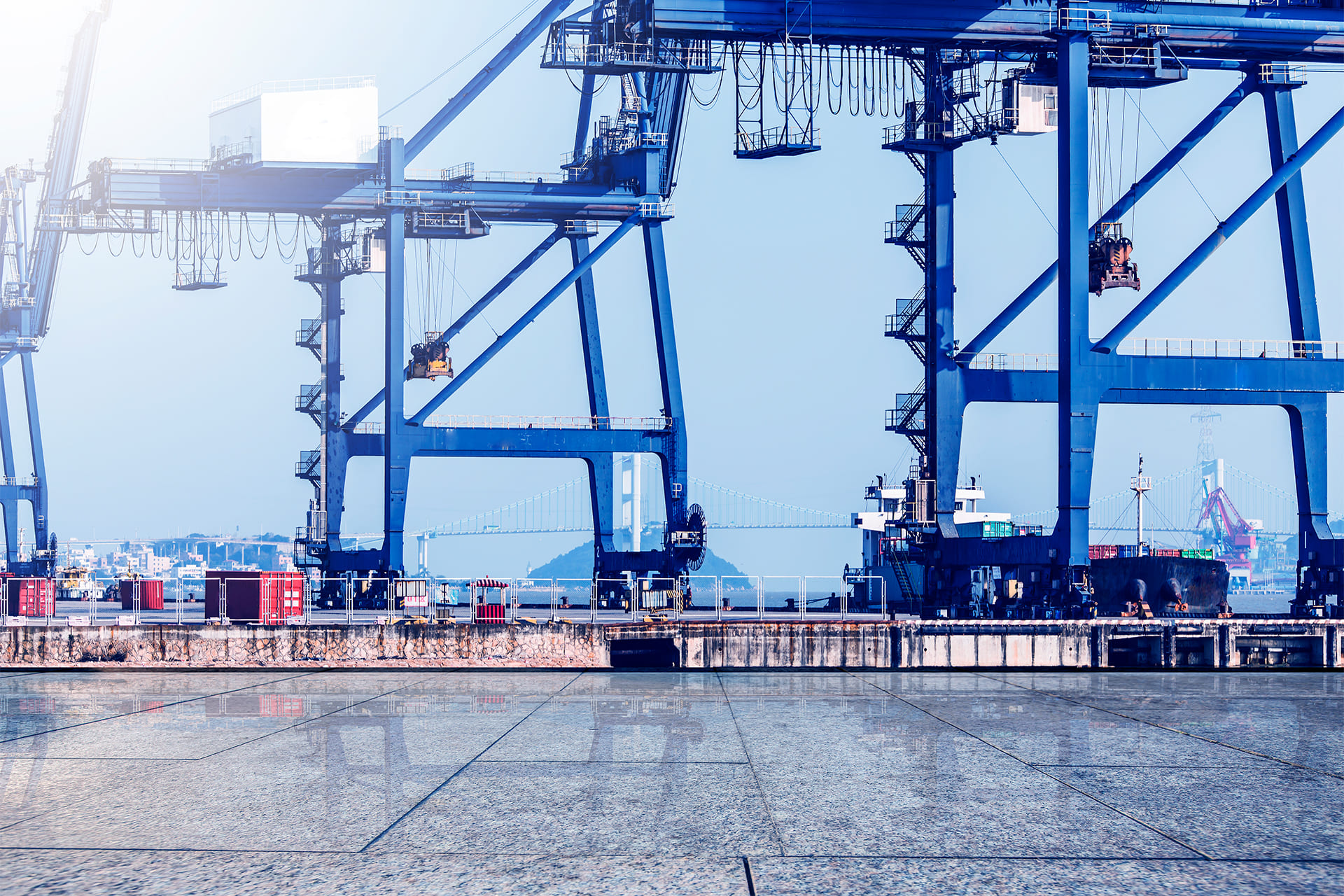
UK ports are economic powerhouses. Port managers (Who work in administration and management positions), harbour masters, and terminal supervisors coordinate vessel arrivals, cargo handling, and safety—all from shore. Stevedores (dockworkers), many of them union-represented, load and unload ships, while electricians, mechanics, and crane operators keep port facilities running.
Even a Port Engineer—who oversees vessel repairs while ships are in harbour—works entirely on land. These are solid, family-wage jobs with real benefits, long-term stability, and opportunities for advancement. The average port employs diverse teams in construction, maintenance, logistics, and security.
A huge part of maritime work happens behind a desk. Shipping agents, freight forwarders, and logistics coordinators manage the global flow of goods, For example, handling customs paperwork, booking container space, and liaising with rail, road, and warehousing partners. These roles are fast-paced, internationally connected, and based in offices near major transport corridors. No sea time needed—just sharp organisational skills and a head for detail. For those seeking an entry point, starting as a documentation clerk is a simple but effective first step.
The business of shipping is complex—and it needs legal and financial expertise. For instance, maritime lawyers handle contracts, marine insurance claims, environmental compliance, and even disputes involving piracy or cargo loss. At the same time, marine insurance underwriters assess risk, while finance professionals manage budgets for shipping companies or port authorities. These are professional, land-based careers that rely on analysis, not ocean time. Companies in this space welcome both experienced hires and newcomers ready to learn.
- Engineering and Vessel Design
If you’re technically minded or rather creative, consider naval architecture or marine engineering.
What do these do? Let's start with naval architects, they design ships, offshore platforms, and next-generation eco-friendly vessels—all from offices or shipyards. With automation, green energy, and offshore wind reshaping the industry, there’s strong demand for engineers who innovate from shore.
A STEM degree helps, but prior sea experience? Not required. Most modern vessel construction is guided by onshore teams who never set foot on the water.
- Government and Maritime Regulation
Public sector roles offer another path. In the UK, agencies like the Maritime and Coastguard Agency (MCA) and port authorities across the country employ professionals in safety regulation, policy development, maritime education, and port planning. Organisations like the Port of London Authority or Associated British Ports (ABP) hire IT specialists, planners, security personnel, and communications staff.
These employers value their employees and often provide training, career advancement programmes, and a supportive work environment. Even policy-focused roles contribute directly to the safety and efficiency of the UK’s maritime transportation network.

How to Get Started—Even With No Sea Background
The best part? You don’t need a maritime degree or sea time to begin. Many professionals start in entry-level roles (like a documentation clerk at a shipping firm or a junior technician in a shipyard) and from there, grow through on-the-job experience.
Apprenticeships, vocational courses, and training from maritime academies are open to anyone, regardless of background.
Companies often provide structured Maritime Logistics training courses in London or partner with colleges for internships. And don’t underestimate the power of networking: attending industry events, joining professional associations, or browsing job boards like gCaptain can uncover opportunities you didn’t know existed. Often, all it takes is the initiative to apply.
Wherever you are—in London, Dubai, Barcelona, Athens, Istanbul, Kuala Lumpur, Singapore, or Amsterdam—training providers like LMA offer internationally accredited courses tailored to local and global needs. With support across the UK and beyond, they provide flexible, expert-led programmes designed to help you start your maritime journey—no sea legs required. Their training often includes CV support, interview prep, and direct links to employers.
The Future Is Happening On Shore
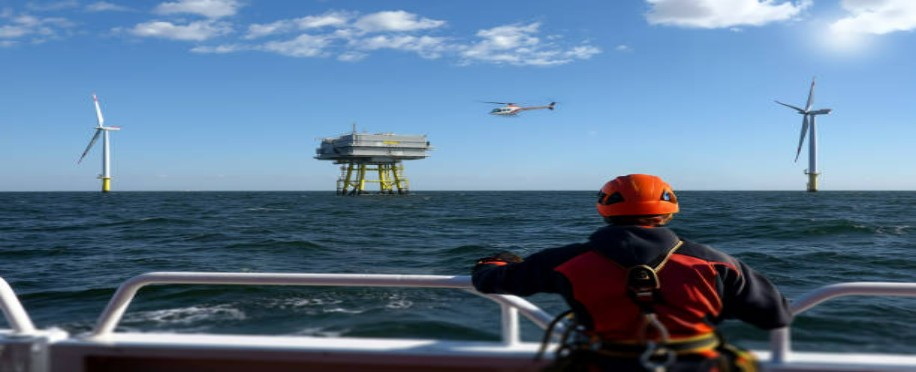
The Maritime industry isn’t stuck in the past. How? Digital platforms can now track cargo in real time (An A grade opportunity for IT specialists and data analysts), moreover, environmental regulations are driving new roles in sustainability and compliance. Offshore wind farms—key to the UK’s energy future—need project managers and engineers who coordinate from onshore bases. And even as vessels become more autonomous, they’ll still require human oversight from control centres on land.
Final Word
A maritime career doesn’t immediately equal months and months away from home or battling North Sea storms. It can mean managing infrastructure or perhaps designing cleaner ships, ensuring legal compliance, or keeping global supply chains moving—all from solid ground.These roles are stable, often well-paid, and deeply connected to the UK’s economic lifeblood.
If you’ve ever been interested by the maritime world but assumed you needed sea experience, think again. Your next career move could be right here—on shore, in the UK, and ready to begin.