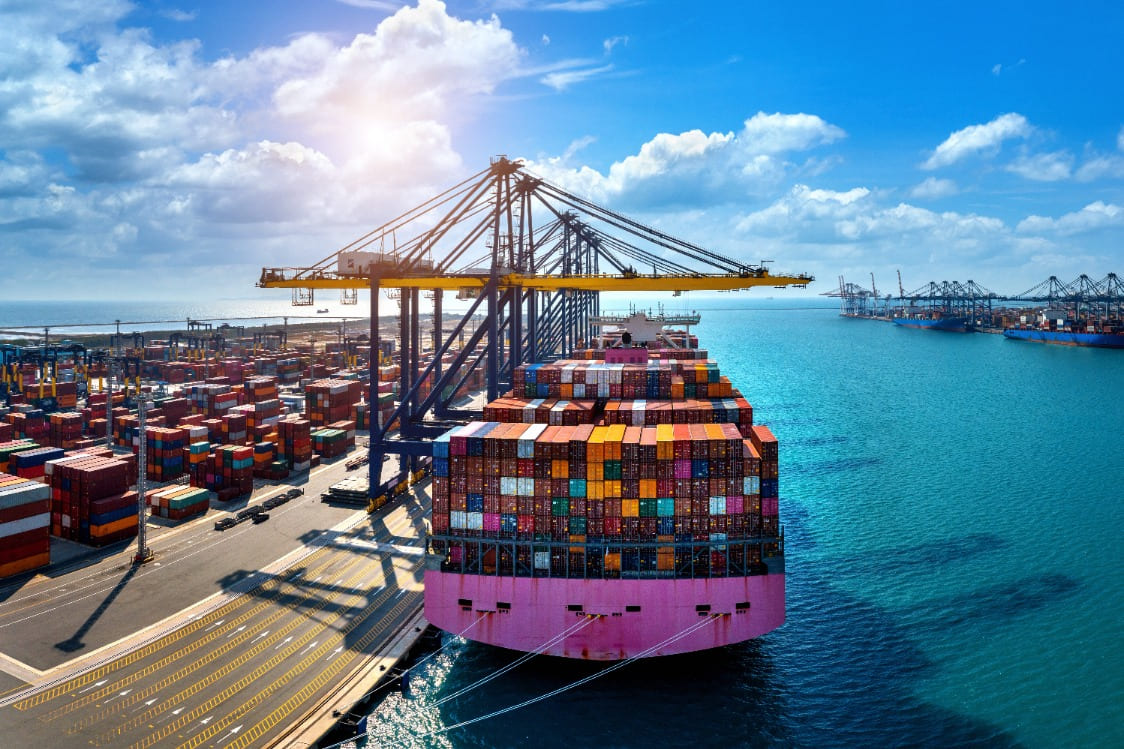
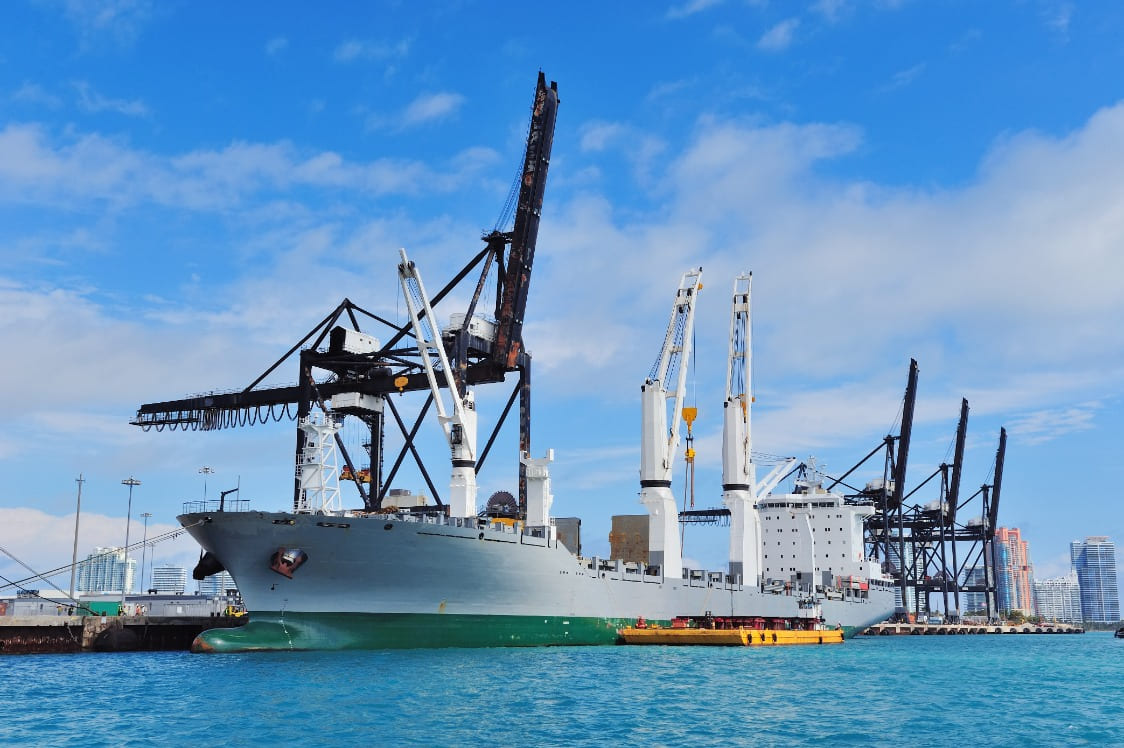
Maritime management is the secret that keeps all maritime activities and shipping ways moving smoothly without major errors or international supply chain delays.
Furthermore, maritime business management, whether in port management, on ship management, transportation and logistics management, shipping management, supply chain management, or other maritime industry management. Includes managing designed activities based on global maritime law to ensure compliance and safety.
In this article, we will share with you comprehensive details to master maritime management, including responsibilities, logistics, required skills, and more!
What Is Maritime Management?
Maritime management is the term referring to the planning, operating, and overseeing program of all business activities related to ships, logistics, ports, shipping operations, marine transportation, and global services onshore and offshore.
Usually, maritime and shipping management requires a master of the maritime industry to be able to manage logistics, business activities, sustainability and environmental requirements, and maritime digitalization based on the IMO strategy with the highest efficiency, safety, and cost-effectiveness.
Maritime and port management directly impact global trade and supply chain, thus, having a stable and well-studied maritime management program done by experts will keep shipping operations sustainable and administration insights efficient.
What Are the Key Responsibilities in Maritime Management?
There are many vital activities and responsibilities included in the maritime management programs, including:
Shipping and Logistics:
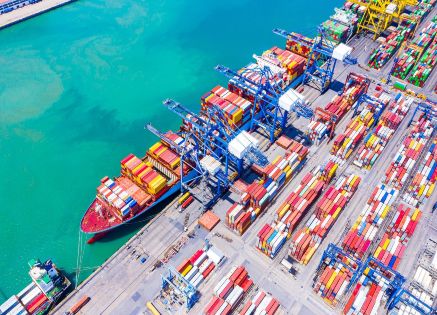
Starting from planning vessel movements, managing cargo transportation, to coordinating ports, companies, and suppliers, and supply chain management. The maritime management focuses on meeting critical deadlines, cost efficiency, and smooth global trade operations with integrated solutions.
Business and Finance:
Maritime management ensures profitability with accurate budgeting, cost control, contracts, and financial performance of maritime operations while managing risks, investments, consulting opportunities, and commercial decisions at the port.
Ship Operations:
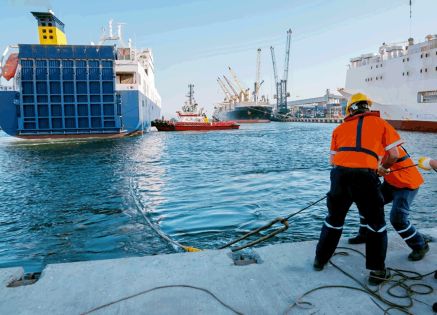
This part of maritime management covers day-to-day running operations of ships, including maintenance, safety, policy compliance, and crew coordination to keep all vessels efficient and seaworthy in port or on sea.
Leadership:
Strong leadership in maritime business management involves managing teams, making strategic decisions, and ensuring clear communication across internal and external departments. Which is necessary for a leader's role to support the work environment, develop performance, and ensure business growth.

What Skills Are Required for Shore-Based Roles?
Learning new skills and updating your knowledge is essential to master maritime industry activities, thus, students need professional maritime management courses in Kuala Lumpur to enhance skills and provide career growth with practical experience.
However, with London Maritime Academy (LMA) regional offices in London, Athens, Amsterdam, Barcelona, Singapore, Istanbul, and Dubai, you can for sure find the best location to master maritime business management.
Project Management:
All resources, timelines, logistics, and stakeholder expectations should be managed by senior professionals with full planning, coordination, and monitoring of business details to ensure success, operational productivity, and time efficiency.
Legal Compliance:
Understanding maritime laws, port regulations, and international standards is crucial for shipping and port management based on IMO regulations and global rules, moreover, it will help a business avoid penalties, disputes, and operational delays.
Strategic Thinking:
This maritime management skill supports growth, competitiveness, and sustainable operations with professional and data-based analysis of market trends and business goals to make the best decision based on each program.
Technological Knowledge:
There is constant development of maritime software, automation systems, and digital tools, which is why having technological skills is essential for maritime managers to improve efficiency, safety, and business communication for firms in the sector.
Risk Management:
Risk management in the maritime industry focuses on identifying, evaluating, and reducing operational, financial, and safety risks to protect interconnected people, assets, partners, and business continuity from any complex challenges.
Eventually,
Maritime business management is a necessary tailored maritime program to manage a port or a ship without major challenges or risks to outcomes, growth, and revenues in the industry.
Therefore, you need to invest in a leading maritime training program with an accredited certificate, professional outlines, and an expert tutor to get the best learning experience, master management standards efficiently, and empower your career.