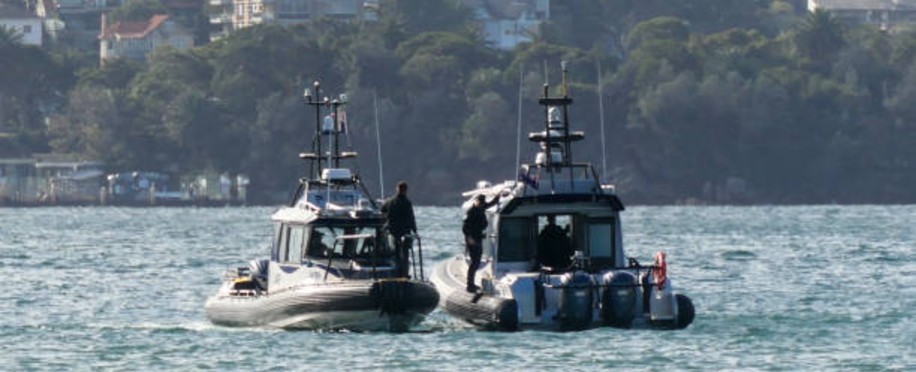
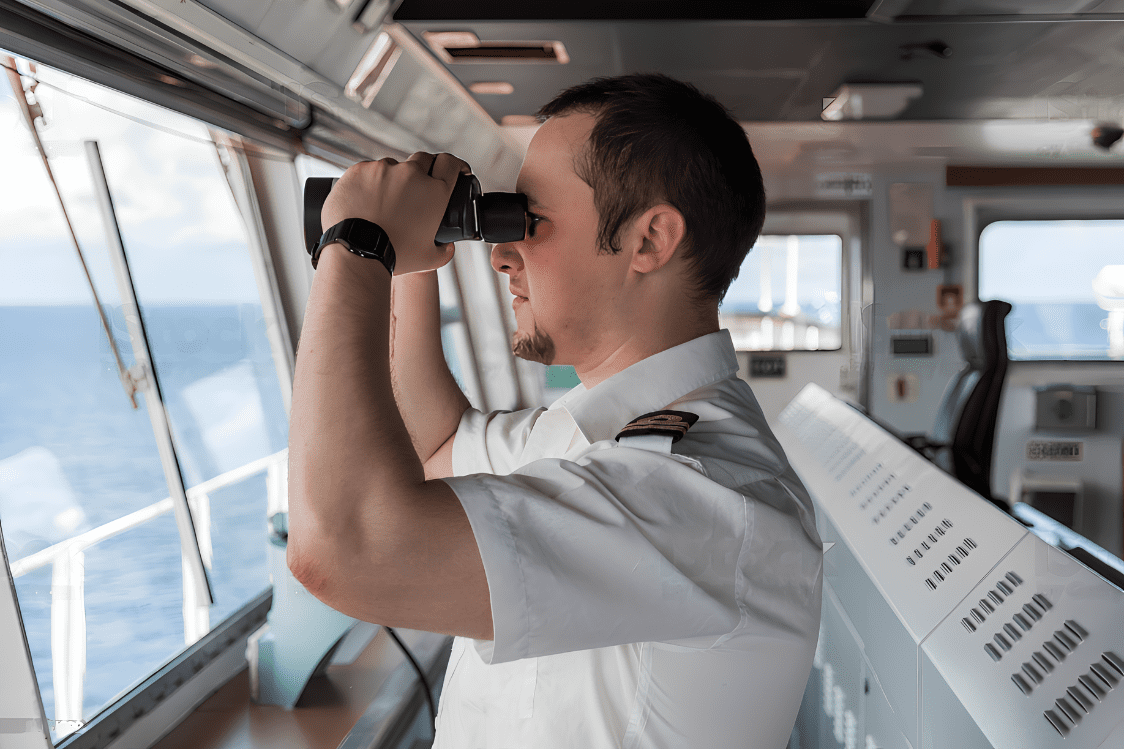
Ship security is the system of procedures, controls and protection measures used to protect a ship, vessel, cargo and wider maritime operation from piracy, theft, unlawful access and other threats. Effective ship security helps companies reduce risk, improve coordination, strengthen protection, support compliance and maintain smoother shipping operations across ports, coastal routes and exposed seas.
In this article you’ll learn more about the importance of ship security and how to prevent piracy and other attacks
Why ship security matters now
The current picture is clear. The ICC International Maritime Bureau recorded 137 incidents of piracy and armed robbery against ships in 2025, compared with 116 in 2024. Its annual report says 121 vessels were boarded, four hijacked, two fired upon and ten attacks attempted. It also shows that the Singapore Straits remained one of the busiest hotspots, while a wide range of ship types were affected, from bulk carrier and container traffic to tanker and general cargo operations.
That matters because weak ship security quickly becomes a business issue. A security failure can delay operations, interrupt services, expose cargo, affect people on board, create extra work for port teams and increase follow-up with authorities, insurers and customers. For many firms and shipping companies, ship security is therefore part of commercial continuity as much as physical protection.
The wider maritime environment has also become harder to read. Routes linked to the Gulf, the Strait of Hormuz, Dubai, India and surrounding region can shift in profile quickly.
On Wednesday in March, Reuters reported fresh incidents involving commercial vessels in and around the Strait of Hormuz and the Gulf of Oman, including reports that ships were struck, projectiles were reported to have attacked and one vessel was left ablaze. The tensions have risen as the sources of the hit remain unknown, but even without turning this into a geopolitical briefing, the operational message is simple: threats can shift quickly in a sensitive place, the impact can be devastating, and route-based planning matters.
What effective ship security includes
Strong ship security starts before sailing. A ship should not move into a narrow strait, a congested port approach or sensitive coastal area with outdated procedures and unclear reporting lines. Good planning means understanding the route, the cargo, the trading pattern, the recent incident picture and the likely threats affecting merchant vessels in that area.
A practical ship security framework usually includes:
- a current security assessment
- controlled access to restricted spaces on the ship or vessel
- clear reporting procedures for crew and officers
- cargo verification and documentation checks
- maritime cybersecurity procedures
- route-based review for ports, coast approaches and exposed waters
- communication between the company, terminal services and local authorities
- anti-piracy drills and post-incident review
- regular checks to make sure procedures still work in practice
This structure matters because ship security usually fails through small gaps, not dramatic collapse. A missed report, a weak access check or a missed accident investigation, poor handover of cargo, or unclear communication between the vessel and the company can create avoidable exposure. In real operations, prevention depends on consistency more than drama.

Route-specific planning changes the risk
One of the most useful principles in ship security is that not every route carries the same level of exposure. A vessel operating in routine coastal waters does not face the same pattern of threats as merchant ships moving through a busy port, a close commercial corridor, or a route bound for congested traffic in the gulf or near Hormuz. BMP guidance is explicit that voyage planning should be based on structured threat and risk assessment, not copied from a generic template.
That is why good ship security links the route to the plan. If the ship is moving towards Dubai, India, Oman or another exposed region, the company may need stronger watchkeeping, more disciplined access control, closer reporting, trustworthy ship security officers, tighter port coordination and clearer internal support. A route-specific plan makes it easier to manage because it matches procedures to reality.
Cargo protection is part of ship security
Cargo is one of the clearest commercial targets in maritime crime. Tampering, theft, poor documentation, weak handovers and unauthorised access can damage a shipment long before a vessel reaches the next port. For that reason, ship security must include cargo protection as a central element rather than treating it as a separate task.
For operators, this means stronger controls during loading, discharge and transfer. It means clear supervision, verified requests, restricted movement around sensitive areas and better records when people, goods and services cross from shore to ship. In practical terms, stronger cargo protection helps protect the wider maritime chain because it reduces confusion, delays and disputes when something unusual is reported.
The IMB data also show that many different vessel types are affected by piracy and maritime crime, including general cargo, container traffic, oil tankers and bulk carrier operations. That makes cargo-focused ship security commercially relevant across the industry rather than only for a narrow group of specialist operators.
People, officers and company support
Technology can assist ship security, but people still sit at the centre of it. The crew must recognise suspicious behaviour. Officers must know when to escalate a concern. The company must provide support, guidance and follow-up. When that coordination is weak, even good procedures become hard to apply.
This is why development and training matter. Strong ship security depends on whether people understand reporting lines, access controls, route-based risk, cargo procedures and maritime incident analysis and response. Good organisations do not rely on a document alone. They rely on drilled habits, clear procedures and timely communication between shipboard teams and shore-based support.
In practice, many weaknesses appear in familiar places: outdated procedures, poor handovers, weak reporting, inconsistent access checks, limited anti-piracy awareness and gaps between company policy and daily implementation. These problems affect large companies and smaller firms alike because they grow out of routine behaviour rather than one-off failure.
Current patterns in maritime crime
The latest industry reporting shows that maritime crime remains geographically uneven but operationally important. The IMB report highlights Southeast Asia as a major hotspot, while government and industry guidance continue to stress preparation against piracy, armed robbery and related violence against merchant shipping. At the same time, route sensitivity around the gulf, hormuz, oman and nearby waters keeps attention focused on voyage planning, close monitoring and practical readiness.
This does not mean every voyage is high-risk. It means ship security should always reflect the route, the cargo, the port pattern and the current threat picture. A refrigerated cargo ship, a tanker, a container vessel and a bulk carrier do not face identical operating realities, even when they move through the same region.
Learning and implementation
Because the threat picture changes, ship security depends on continuous learning and practical application. Teams need to learn how threats evolve, how port procedures change, how to report concerns properly and how to maintain protection without slowing the operation unnecessarily. That is where structured development becomes commercially useful.
For professionals building capability in this area, maritime security courses in London can support development in planning, anti-piracy procedures, cargo protection, reporting, port interface management and operational coordination. Proper training helps turn general security language into practical steps that officers, crew and companies can apply consistently.
Conclusion
Ship security is the organised protection of the ship, vessel, crew, cargo and wider maritime operation against piracy, unlawful access and related threats. The most effective ship security approach is practical, route-specific and based on strong implementation, clear reporting and consistent coordination between people, procedures and company support.
For commercial operators, the value is immediate. Better ship security helps protect people, reduce risk, support cargo integrity, improve service reliability and strengthen decision-making across ports, exposed waters and international shipping routes. That is why ship security remains both a compliance issue and a business one.