If you’ve ever stood by a busy port and watched a 400-meter container ship ease into its berth—passing tugs, tankers, and ferries within whispering distance—you’ve witnessed something remarkable. It looks effortless. But it’s only possible because of an invisible, highly coordinated shield: maritime safety systems.
In this article, we will guide you through maritime safety systems, you will learn about their components and how they function in assuring security in the maritime industry
What Exactly Are Maritime Safety Systems?
Maritime safety systems refer to the integrated combination of components that include onboard equipment, shore-based services, international regulatory framework, and human procedures that ensure safe navigation and emergency response. They include radar that sees through fog, automatic identification that broadcasts a ship’s position, and satellite-based distress alerts that reach rescuers in minutes.
Every player in the maritime world relies on them. Captains use them to avoid hazards. Coast guards use them to coordinate search and rescue communications. Port authorities and operators use them to manage vessel traffic. Even seafarers and shipowners on small ferries benefit from global safety standards. These systems exist because the sea leaves no room for error—and because decades of hard lessons have been turned into enforceable standards.
The Eyes and Ears of a Ship
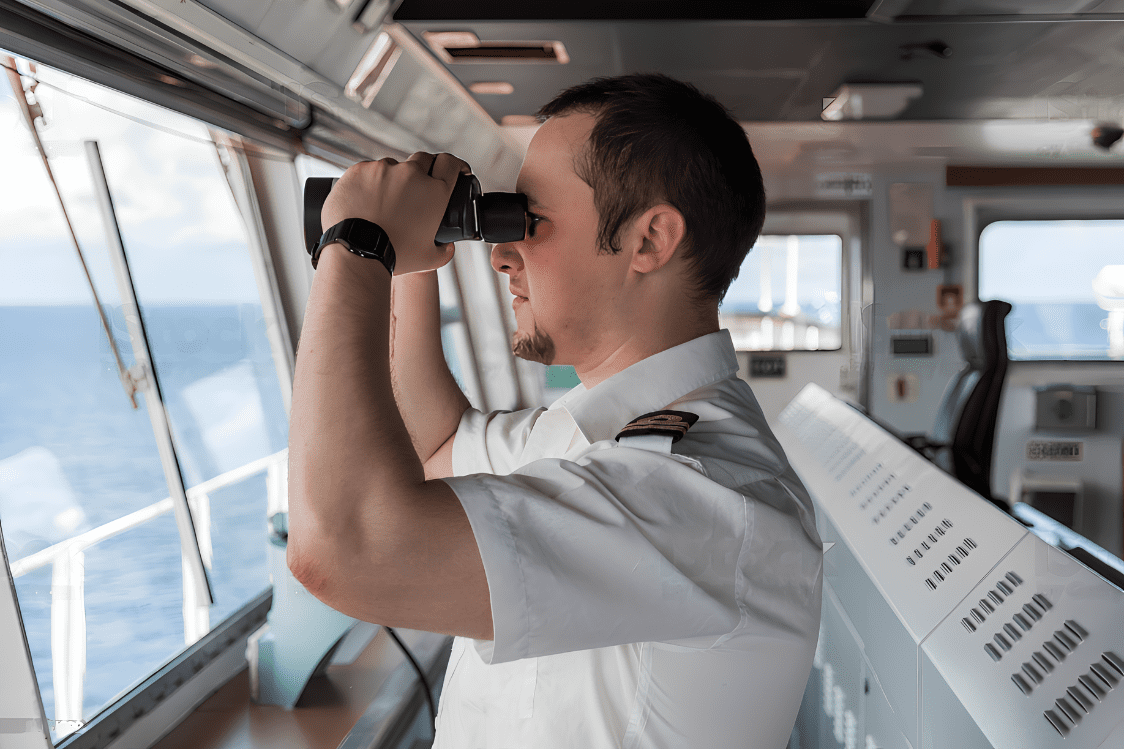
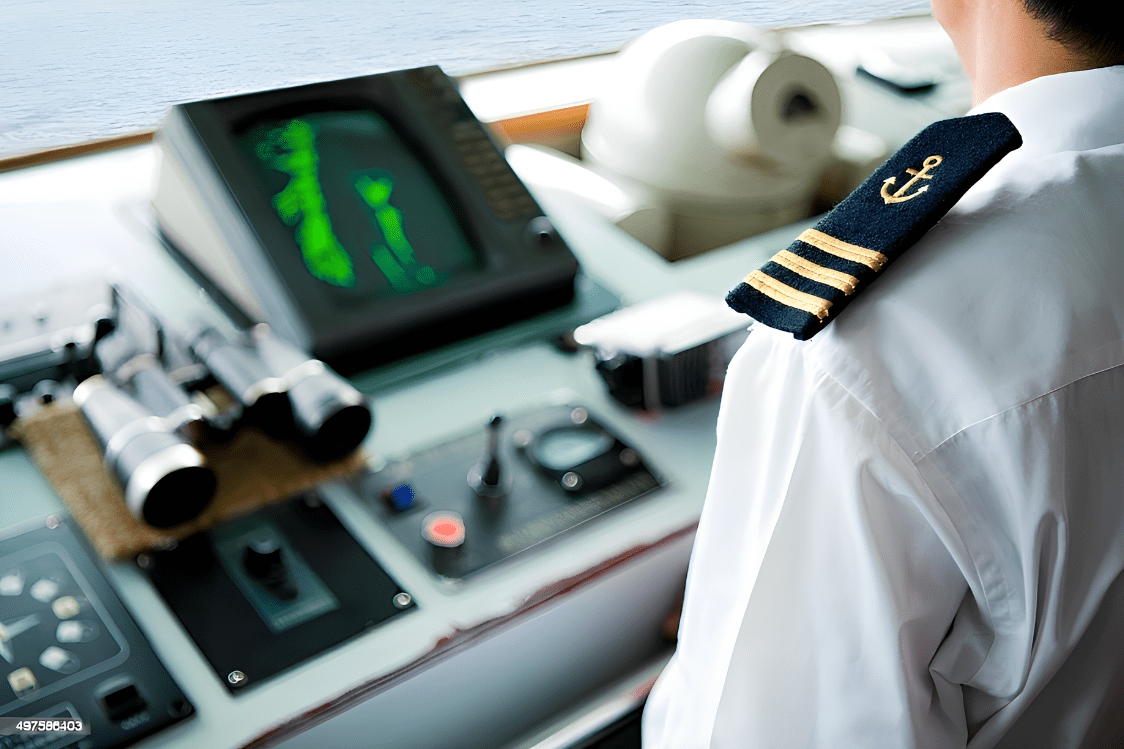
Modern vessels are equipped with multiple layers of situational awareness. Marine radar scans continuously, bouncing radio waves off nearby objects to create a real-time picture of the surroundings—even in total darkness or thick fog. Many ships also use ARPA, which tracks other vessels and calculates collision risk based on speed and course.
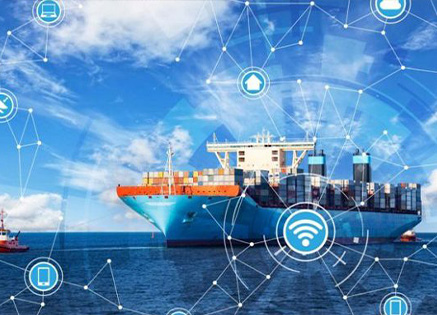
Then there’s AIS, the Automatic Identification System. Every large ship broadcasts its identity, location, heading, and speed via VHF radio. This data appears on electronic charts, allowing officers to see not just where other ships are, but where they’re going. Under SOLAS, AIS is mandatory for all passenger ships and cargo vessels over 300 gross tons.
But mariners are trained never to rely on AIS alone. Small craft may not transmit. Equipment can fail. So AIS complements radar and visual watchkeeping—it doesn’t replace it.
When emergencies strike, the Global Maritime Distress and Safety System (GMDSS) takes over. A single button press sends a distress alert via satellite to rescue centers and nearby ships. GMDSS includes EPIRBs that activate if a vessel sinks and SARTs that help helicopters spot lifeboats on radar. It’s not just communication—it’s a lifeline.
Meanwhile, ECDIS (Electronic Chart Display and Information System) has replaced paper charts on most large ships. It overlays GPS, radar, and AIS onto digital maps, warning crews if they drift off course or approach shallow water. Under SOLAS, it’s now a safety requirement, not a luxury.
All these systems create redundancy. If one fails, another backs it up. That’s not accidental, it’s design.

The Global Rulebook
Technology only works when everyone plays by the same rules. That’s where the International Maritime Organization (IMO) comes in. The IMO has developed binding conventions that apply to nearly every commercial ship on the planet.
SOLAS sets minimum standards for lifeboats, fire protection, and navigation gear. MARPOL prevents oil spills and waste dumping, protecting the marine environment. The ISM Code requires shipping companies to implement a Safety Management System (SMS)—including risk assessments, emergency drills, and internal audits. It recognizes a key truth: safety is as much about management as it is about machinery.
On the ither hand, STCW ensures crews are properly trained to operate complex equipment. After all, an ECDIS alarm is useless if the crew doesn’t know how to respond.
These regulations apply globally. A ship leaving Barcelona must meet the same safety requirements as one departing Kuala Lumpur. This international consistency is what makes global shipping reliable.
Safety Doesn’t End at the Water’s Edge
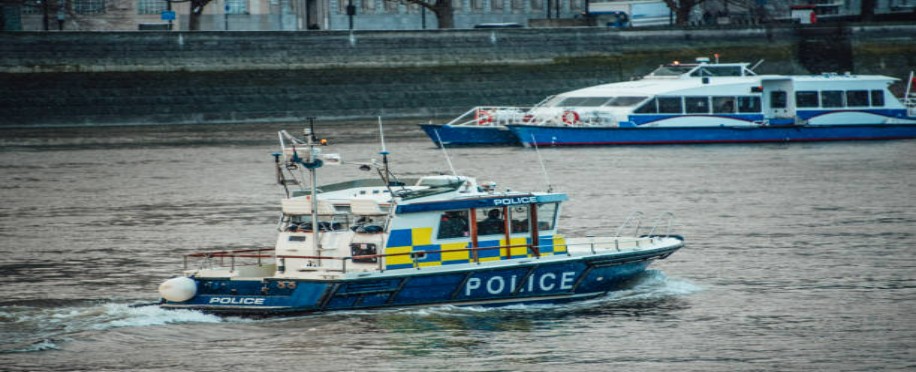
Shore-based services are just as critical in operation. Vessel Traffic Services (VTS) monitor radar and AIS in busy ports, and thus they provide guidance for ships to have a smooth sail through narrow channels. Faced with such risks, coast guards need to act as regulators and enforce regulations, maintain aids to navigation, and lead rescue operations. IALA ensures buoys and signals mean the same thing from Istanbul to Singapore.
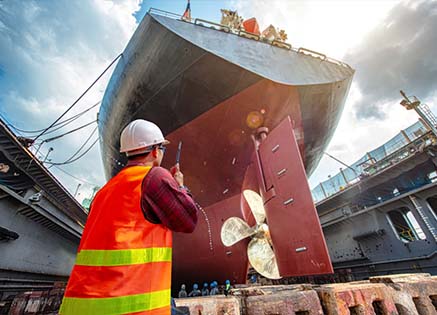
Classification societies like ABS verify structural and technical compliance. Port state control inspectors board ships to check certificates and crew qualifications. If a vessel fails, it can be detained.
This network turns isolated tools into a unified safety net.
The Human Element
No system is foolproof. Technology can glitch. Environmental or operational regulations can be bypassed. That’s why human judgment remains essential. Most incidents still stem from fatigue, poor communication, or lack of training.
That’s why quality instruction matters through Maritime Safety courses in London. Officers must know not just how to use GMDSS or ECDIS, but when to question what they see.
London Maritime Academy delivers internationally accredited courses with expert support in London, Dubai, Barcelona, Athens, Istanbul, Kuala Lumpur, Singapore, and Amsterdam. Wherever you operate, London Maritime Academy ensures you receive practical, regulation-aligned training that meets global standards.
Looking Ahead
The future won’t replace humans—it will support them. AI now detects debris missed by radar. Satellite networks offer real-time tracking in polar regions. Cybersecurity is being built into bridge systems to prevent GPS spoofing.
But these tools improve existing frameworks. They don’t discard them. The mission remains unchanged: protect life, cargo, and the marine environment.
Maritime safety systems are why your goods arrive on time, why ferries cross safely, and why rescue comes fast when things go wrong. They’re invisible until they’re needed—and then, they’re everything.
As shipping grows more complex, these systems will evolve. But their purpose stays the same: to ensure every voyage ends not in disaster, but in safe harbor.