ISPS Code Training is structured professional education that prepares maritime personnel to comply with the International Ship and Port Facility Security (ISPS) Code, the global framework established by the International Maritime Organization (IMO) to protect ships and port facilities from security threats. For ship operators, port authorities, and maritime professionals, ISPS Code Training ensures compliance, risk reduction, and operational continuity in international shipping.
In this article, you’ll learn how choosing the correct ISPS Code Training level directly affects regulatory approval, audit outcomes, and security management effectiveness.
Why ISPS Code Training Matters in Modern Maritime Operations
The ISPS code was introduced as an amendment to the SOLAS Convention after heightened global security concerns. It applies to:
- International trading ships over 500 GT
- Port facilities serving such ships
- Shipping companies operating internationally
Effective ISPS Code Training supports:
- Compliance with maritime security requirements
- Stronger ship and port facility risk assessment
- Alignment with ISM and safety management systems
- Enhanced incident reporting and response capability
For example, port facilities in Rotterdam and Singapore strengthened access control and threat monitoring through structured ISPS Code Training, leading to measurable improvements in security audit scores.
The Structure of the ISPS Code
The ISPS code consists of two parts:
- Part A – Mandatory security requirements that ships and port facilities must meet.
- Part B – Guidance and recommended measures that support practical implementation.
ISPS Code Training focuses on ensuring personnel understand both the regulatory code framework and its practical implementation at ship and port levels.

Levels of ISPS Code Training
Choosing the right ISPS Code Training depends on your role within maritime operations. The training is typically divided into three main levels.
1. Ship Security Officer (SSO)
Designed for officers assigned for security officers as security leads on board ships.
This ISPS Code Training level focuses on:
- Ship Security Plan implementation
- Conducting ship security assessments
- Coordinating with Port Facility Security Officers
- Managing onboard security measures
For example, A container ship operating between Asia and Europe must have a certified SSO who understands how to elevate security levels when entering high-risk ports.
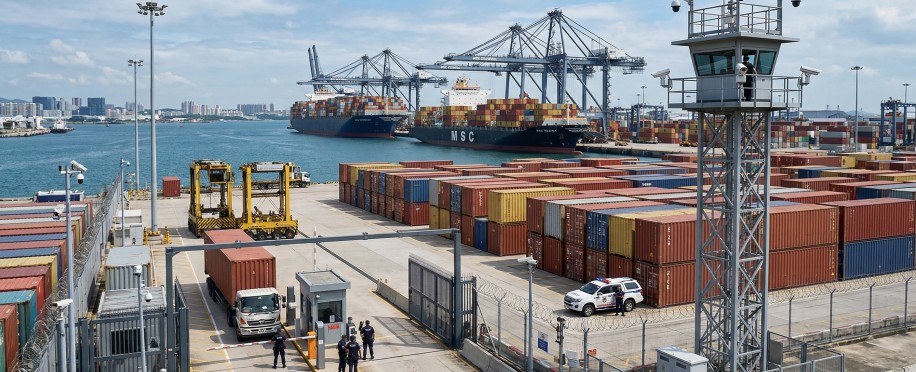
2. Port Facility Security Officer (PFSO)
Aimed at professionals responsible for security at port facilities.
This ISPS Code Training includes:
- Facility security assessments
- Access control systems
- Coordination with ships and national authorities
- Compliance audits and inspections
Large port terminals often require PFSO-certified personnel to meet international maritime security standards and insurance requirements.
3. Company Security Officer (CSO)
This ISPS Code Training level is designed for company-based management personnel overseeing fleet-wide compliance.
Focus areas include:
- Developing and approving Ship Security Plans
- Ensuring compliance across multiple ships
- Liaison with flag states and regulatory bodies
- Integrating ISPS and ISM management systems
Shipping companies operating globally depend on trained CSOs to maintain consistency in security implementation.
How to Choose the Right ISPS Code Training Level
Choosing the right ISPS Code Training requires clarity about responsibility, operational scope, and compliance obligations.
Step 1: Define Your Role
- Are you working onboard a ship? → SSO
- Responsible for a port facility? → PFSO
- Managing fleet-wide compliance? → CSO
Step 2: Consider Regulatory Requirements
Flag states and classification societies may require certified ISPS Code Training for specific roles. Failure to meet these requirements can delay port entry or inspections.
Step 3: Assess Operational Risk
High-traffic ports and international shipping routes face greater security exposure. Enhanced ISPS Code Training supports stronger mitigation measures.
What Quality ISPS Code Training Should Include
Not all courses are equal. Effective ISPS Code Training should provide:
- Practical risk assessment exercises
- Real case studies from the maritime industry
- Scenario-based security drills
- Clear explanation of documentation requirements
High-quality ISPS Code Training focuses on applied understanding, not theoretical memorisation.
For example, during advanced sessions, participants may simulate security level escalation after receiving intelligence warnings — mirroring real international maritime incidents.
Integration with ISM and Safety Management
How does the ISM code enhance security?
Well, the ISPS code does not operate in isolation. It complements the International Safety Management (ISM) framework.
Well-structured ISPS Code Training:
- Aligns with ISM documentation
- Integrates security into daily operational management
- Enhances cross-department communication
- Strengthens audit readiness
Shipping companies that integrate ISPS Code Training with safety management systems report fewer non-conformities during inspections.
Business Impact of ISPS Code Training
Beyond compliance, ISPS Code Training affects commercial performance.
Security breaches lead to:
- Cargo delays
- Financial penalties
- Reputational damage
Properly trained personnel reduce exposure to these risks.
Marine insurers often assess security management standards. Demonstrating certified ISPS Code Training can support lower risk profiling.
Increased global trade volatility means ports and ships must adapt quickly to changing threat levels. Structured ISPS Code Training ensures rapid, compliant response.
Where to Take ISPS Code Training
Professionals working in the UK often look for ISPS Code Training courses in London, where accredited maritime academies provide internationally recognised certification.
When selecting a provider, verify:
- IMO-aligned curriculum
- Recognised certification
- Experienced maritime instructors
- Practical case-based learning
Reputable institutions design ISPS Code Training to meet evolving industry expectations.
Common Mistakes When Selecting ISPS Code Training
Many organisations choose training based on price rather than relevance.
Avoid:
- Generic maritime courses not aligned with the ISPS code
- Providers lacking accreditation
- Courses without practical security exercises
- Training that does not reflect current international regulations
Effective ISPS Code Training enhances operational security — superficial instruction does not.
Key Skills Developed Through ISPS Code Training
Participants typically develop:
- Risk identification skills
- Security incident reporting capability
- Crisis communication techniques
- Regulatory compliance understanding
- Port and ship coordination expertise
These skills strengthen maritime security management across organisations.
Conclusion: Why the Right ISPS Code Training Level Matters
ISPS Code Training is not just regulatory education — it is a strategic investment in maritime security, operational resilience, and compliance management.
Choosing the correct level — SSO, PFSO, or CSO — ensures:
- Clear accountability
- Regulatory alignment
- Reduced operational risk
- Stronger international credibility
In a global shipping environment shaped by evolving security threats, leadership teams must treat ISPS Code Training as a core component of risk management strategy. Organisations that prioritise structured, role-specific training protect not only their ships and port facilities but also their commercial reputation and long-term viability.